
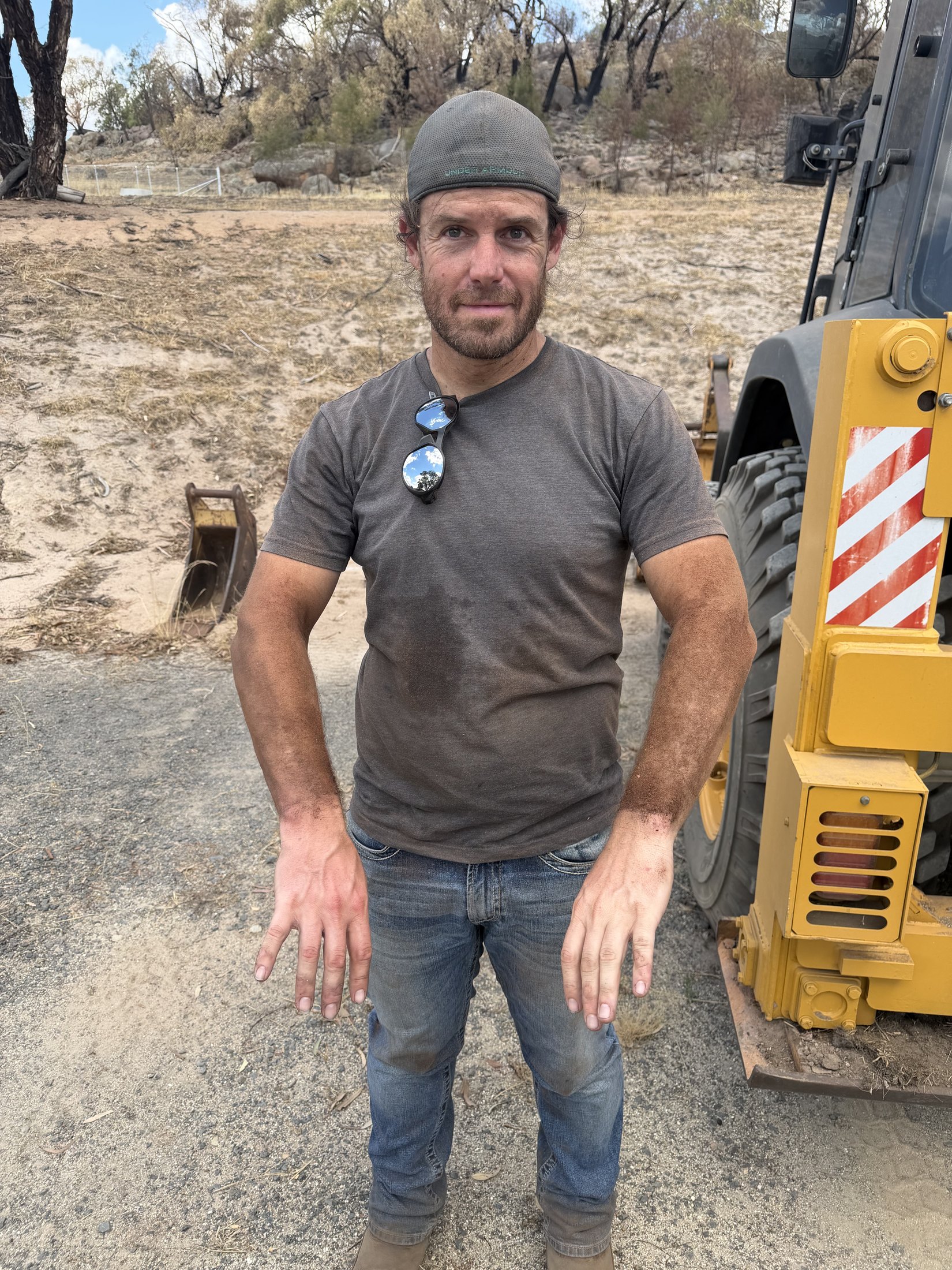
I am a civil engineer by training and by trade, working in utilities and infrastructure design, and a director of UDEC. I am also, and have been for about a decade, someone who channels written messages.
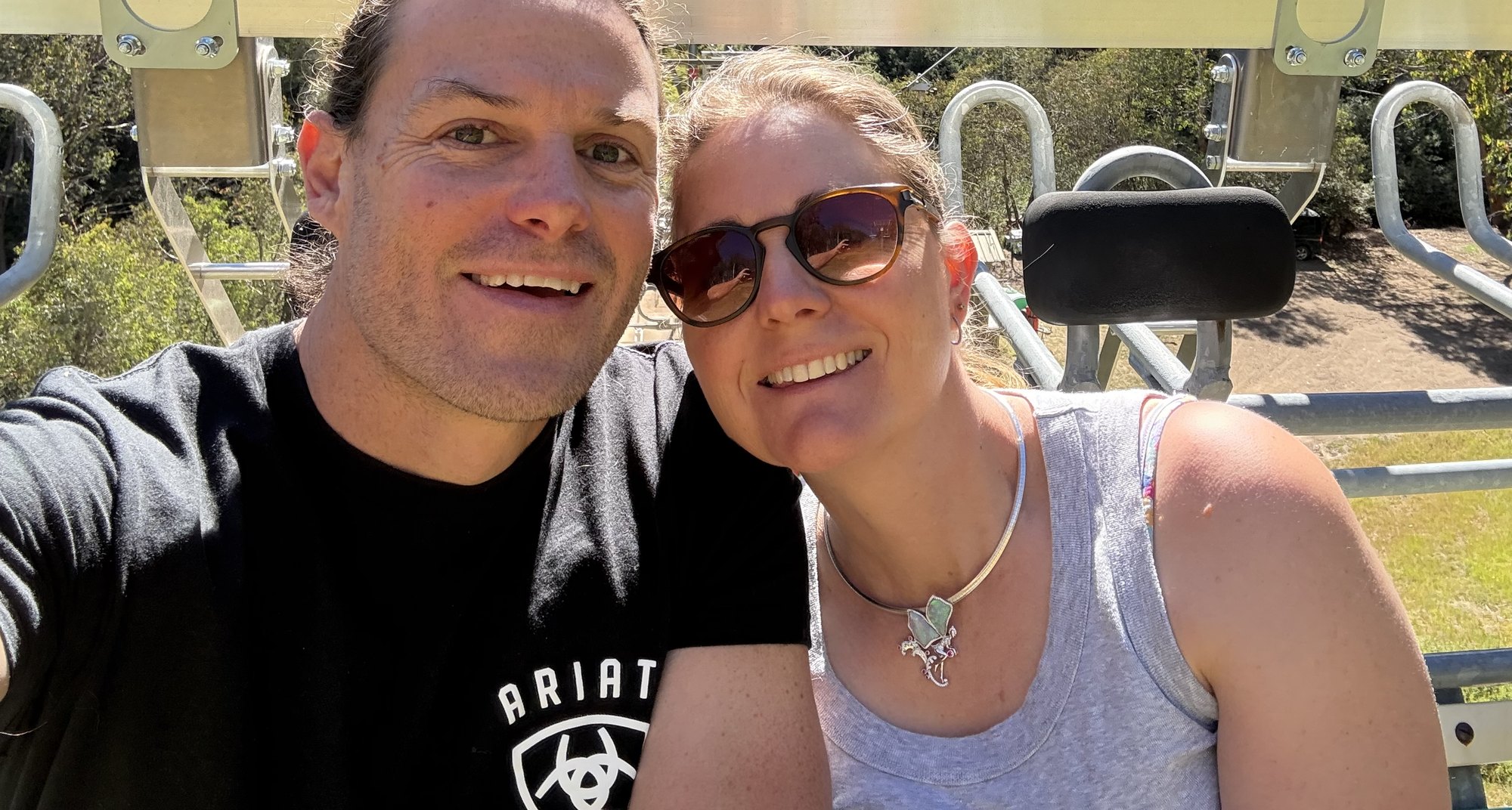
Leah and I met when we were fifteen and sixteen. We are forty-six and forty-seven now, and everything on this site we worked out together.
How it fits together
There is a crossover between engineering and spirituality that does not get talked about much. I have worked with engineers who left the profession to become ministers, pastors and missionaries, and came back again afterwards. I have worked with others who take the engineering with them and spend a year solving water supply for a village that has never had a clean source.
I do not think that is a coincidence. Engineers are the people who take things apart to see how they work, break them, and put them back together, all of it in the service of understanding something the whole way down. Point that at the physical world and you get engineering. Point it at everything else and you get the other thing.
For a long time I kept the two separate. Engineering was work, the intuitive side was not, and the two did not meet. They have since merged, and I now use the intuitive side inside the engineering. Not as a tiebreaker for when the analysis runs out, but as a first read: on a project, on a person, on whether a job is worth taking at all. Running a company, it has been the more reliable half of the pair. The analysis tells me whether a thing can be done. The other tells me whether to do it.
Against the grain
I have made a career out of going the other way.
Early on, the three of us went up to the top floor of a tower in Sydney to pitch the UDEC idea to a new client. All three of us went, because at the time the three of us were the whole company. The client’s representative looked across the table and asked whether there was more than just us three.
That was the objection, and it was not an unreasonable one. A new firm with no history, a handful of staff and no project record was proposing to advise the largest projects in the country on their biggest risks. I was told to go back to land development for a few years and get some runs on the board first.
The idea itself was the unreasonable part, and it was deliberate. UDEC is built around the one piece of a project most engineering firms treat as an annoyance to be handed off: the utilities interface.
Later, a large client on a very big project told us they would be more comfortable taking UDEC’s expertise if we joint ventured with an established consultancy. I said we stand alone, and they would have to choose.
We got the project. The other consultancy is no longer in business.
I do not do things differently for the sake of it. I do them differently because the received way is usually the average way, and average is a decision most people make without noticing they have made it.
Measuring it
Some years ago Leah and I worked with an EEG scientist in Sydney. We rented a machine that read our brainwaves through electrodes on the scalp and ran training software, usually in the form of a game. The game moved smoothly while your brain held the state you were training towards, and slowed down when it drifted into the one you were training away from. Alpha and theta, or beta, depending on what we were working on. You learn the state by feel, because the machine tells you the moment you have it and the moment you lose it. The kids had a go at the games as well.
We have since owned Mind Mirror equipment, which drops the game and shows the brainwave state directly as a visual trace.
I came across Anna Wise’s work much later, and it gave a name and a framework to what we had been training. Beta for analytical thought. Alpha for imagery, and for carrying ideas between the subconscious and the conscious mind as pictures. Theta as the bridge to the subconscious. Delta for channelling and for the dream state. Where all four are present at once, the trace takes a shape she likened to a christmas tree, and she called it the awakened mind.
Until then it had been an experiment with two subjects. Her work gave it context, and everything we had measured lined up with what she described.
Every successful business person I have worked with runs on this. They call it instinct, or gut, or just knowing, and they make the right call at the right moment without being able to tell you how they got there. That state is not a personality trait and it is not luck. It has a signature on an EEG, it can be measured, and it can be trained. Most of the people running on it have no idea that it is a state they could practise getting back to on purpose.
The intuitive work
It started with automatic writing, putting pen to paper and letting the message arrive rather than composing it. I still do that.
From there it went further. I trained in core belief therapy under Rudy Eckhardt, who spent a working life developing the method and his last years looking for someone to leave it to. I practised for a while and then stopped, for reasons that had more to do with being a practitioner than with the work itself. That whole story is here.
The farm
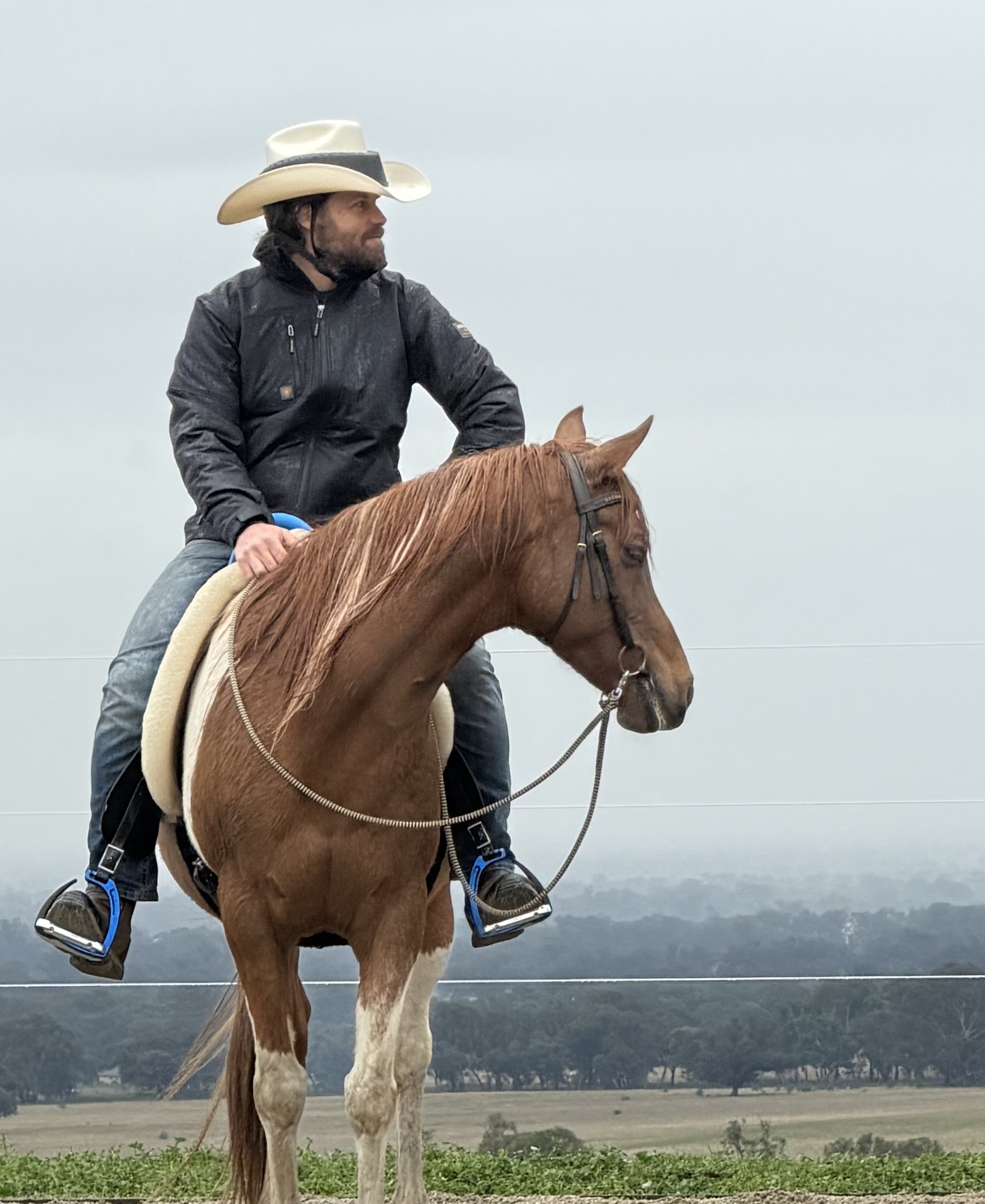
Leah and I run a farm at Locksley in central Victoria. Livestock, bees, pasture, fences, and the ordinary work of a place that does not care what else you had planned for the day.
The music
I write songs. I play guitar and I sing, and I have been writing long enough to know which parts of it I am good at and which parts I am still working on. The songs are mostly long, mostly heavy, and they take the time they take.